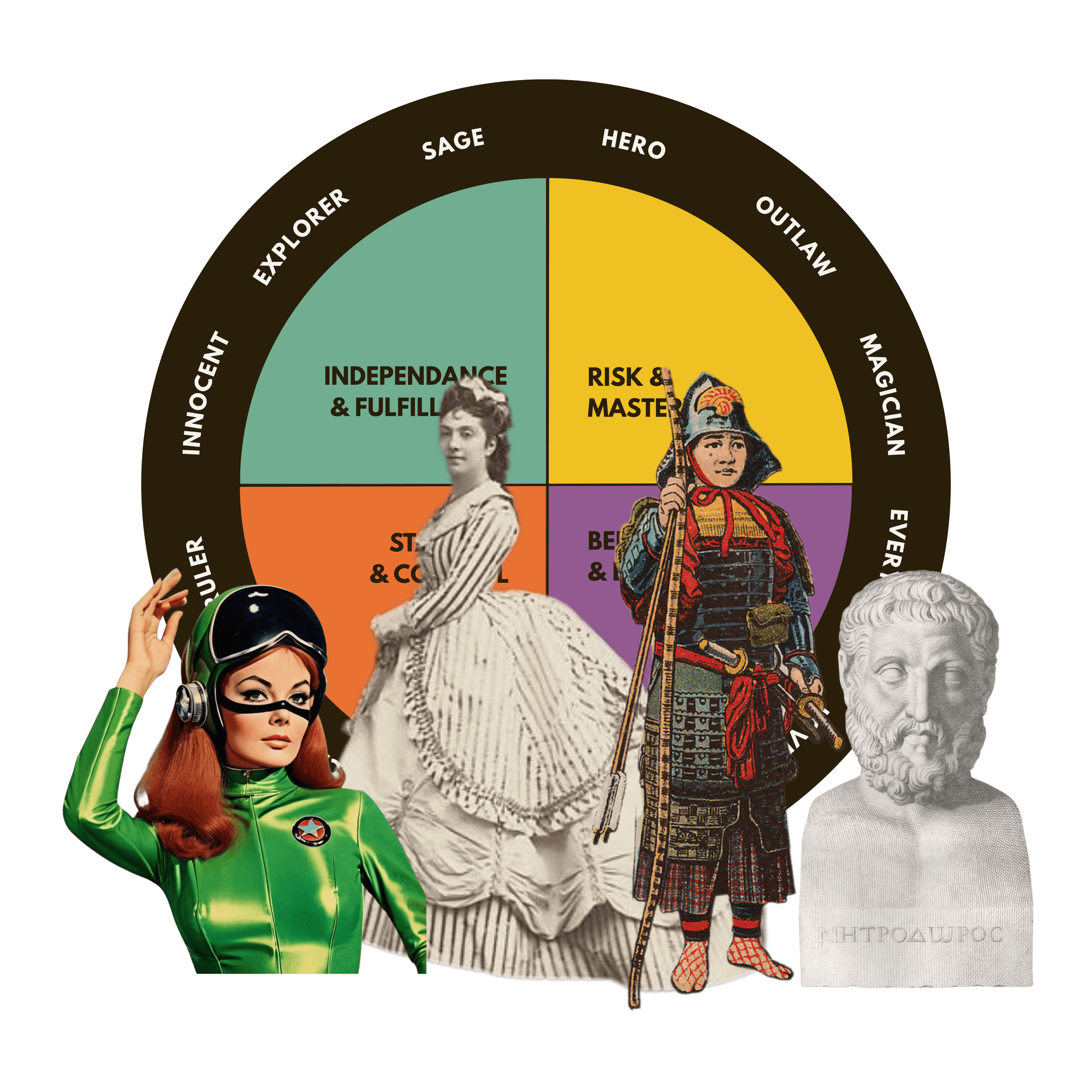
Independence & Fulfillment
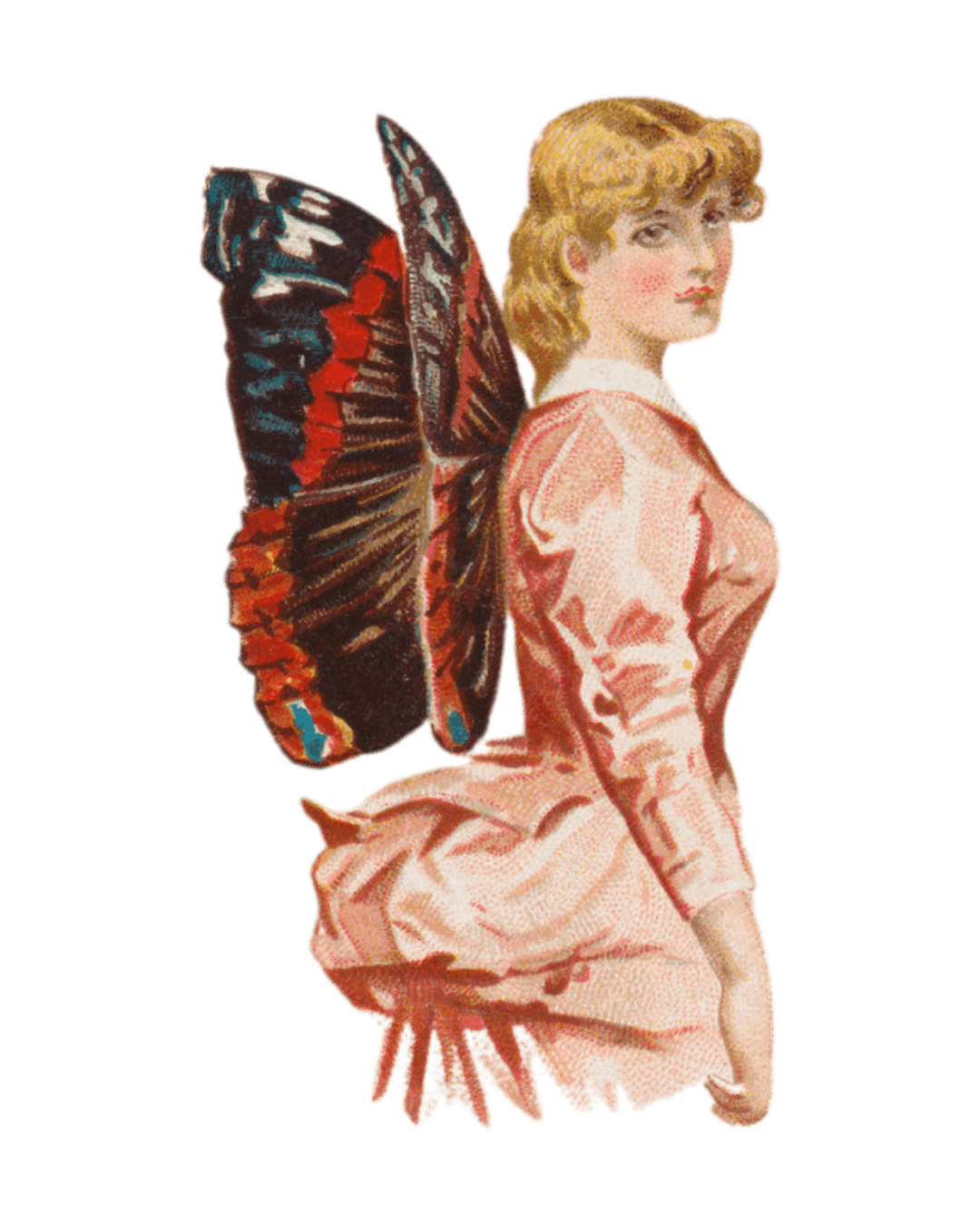
The Innocent
The Innocent archetype embodies the desire for simplicity, goodness, and a return to paradise. This archetype trusts in life, believes in doing the right thing, and seeks happiness through optimism, morality, and simplicity. It represents a worldview where everything has inherent goodness, and problems can be resolved through purity of intent or faith. Brands that align with the Innocent archetype often promise safety, nostalgia, cleanliness, or happiness. They avoid complexity and focus on wholesomeness—think of gentle, reassuring messages like those used by brands such as Ivory Soap or Coca-Cola's classic "I'd like to teach the world to sing" campaign. The Innocent archetype thrives on delivering peace of mind, hope, and a feel-good experience.
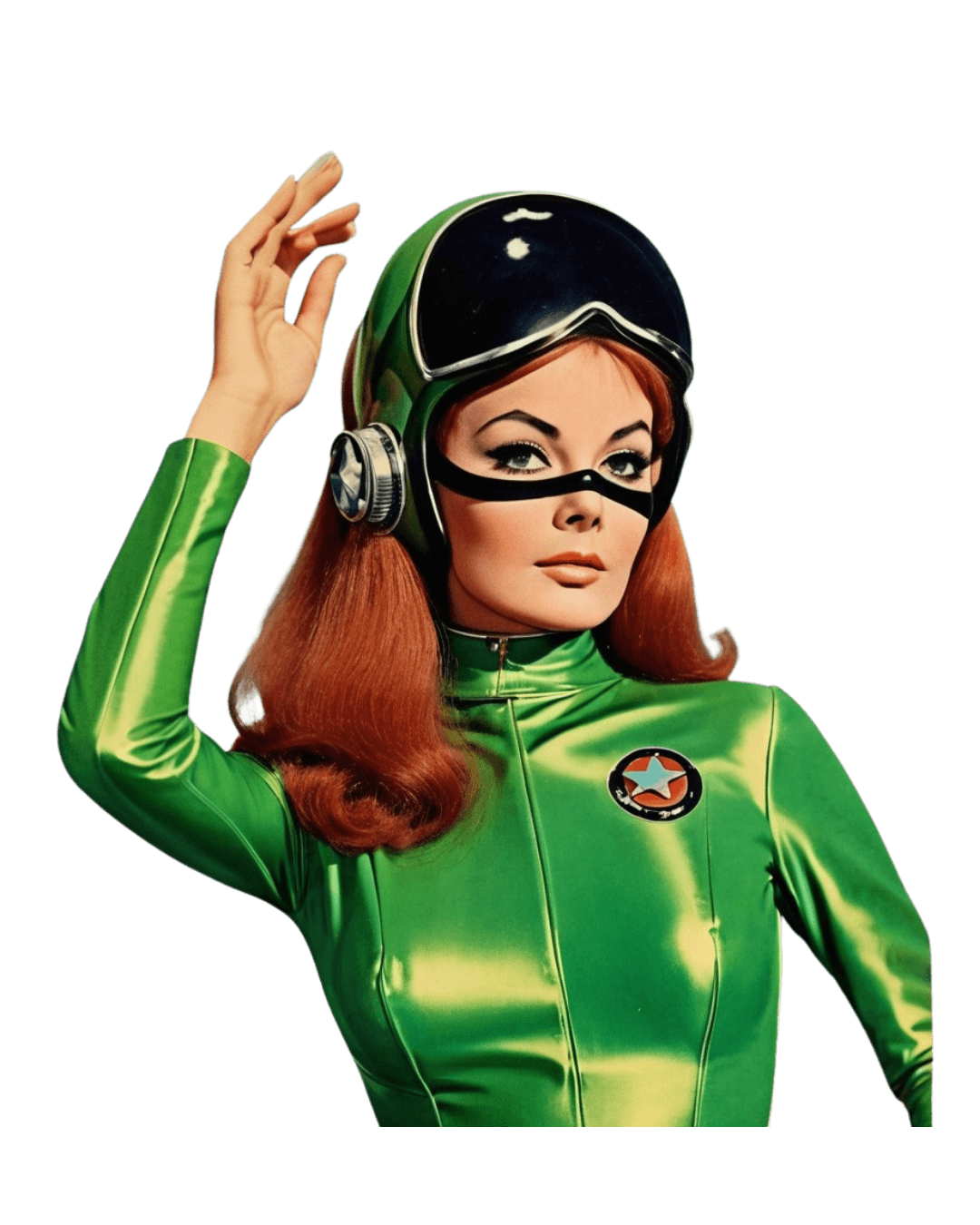
The explorer
The Explorer archetype seeks freedom, adventure, and the thrill of discovery. It represents the inner drive to push boundaries, break free from conformity, and search for authenticity and meaning through new experiences. Explorer brands often frame life as a journey or quest, encouraging consumers to embrace the unknown, take risks, and follow their own path. They emphasize individuality, independence, and self-discovery. Think of Jeep's "Go anywhere, do anything" or Patagonia's call to adventure and environmental stewardship. These brands often highlight nature, travel, or boundary-pushing innovation to reinforce the customer's desire for personal freedom and growth.
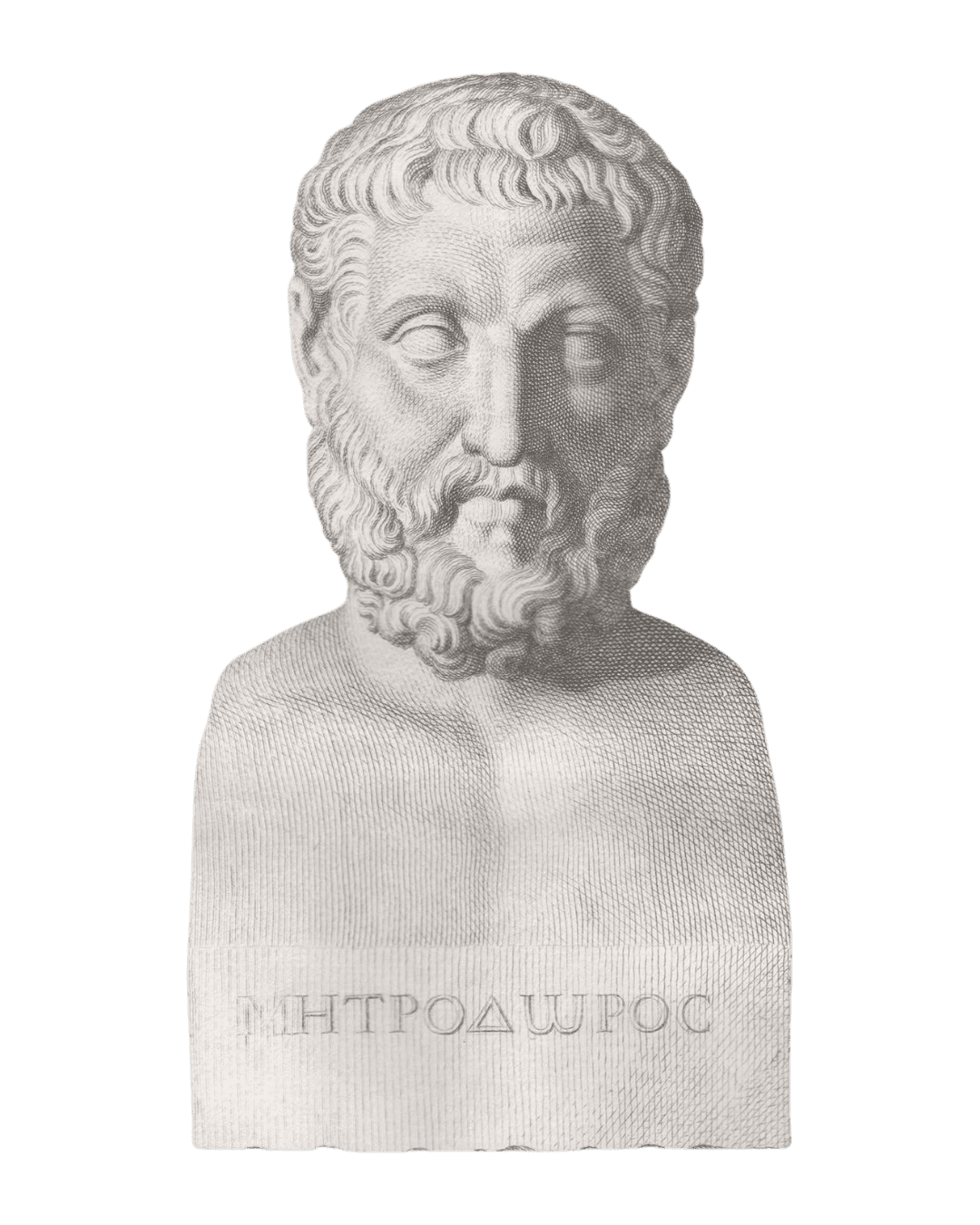
The sage
The Sage archetype is driven by a thirst for truth, understanding, and wisdom. This archetype represents the analytical, thoughtful part of the human psyche that wants to make sense of the world and use knowledge to guide actions. Sage brands position themselves as authorities, mentors, or reliable sources of insight. They emphasize accuracy, trustworthiness, and thought leadership, often educating their customers and helping them make informed decisions. Brands like The New York Times, Google, and TED exemplify the Sage archetype by offering tools and content that inform, clarify, and empower through understanding.
Risk & Mastery
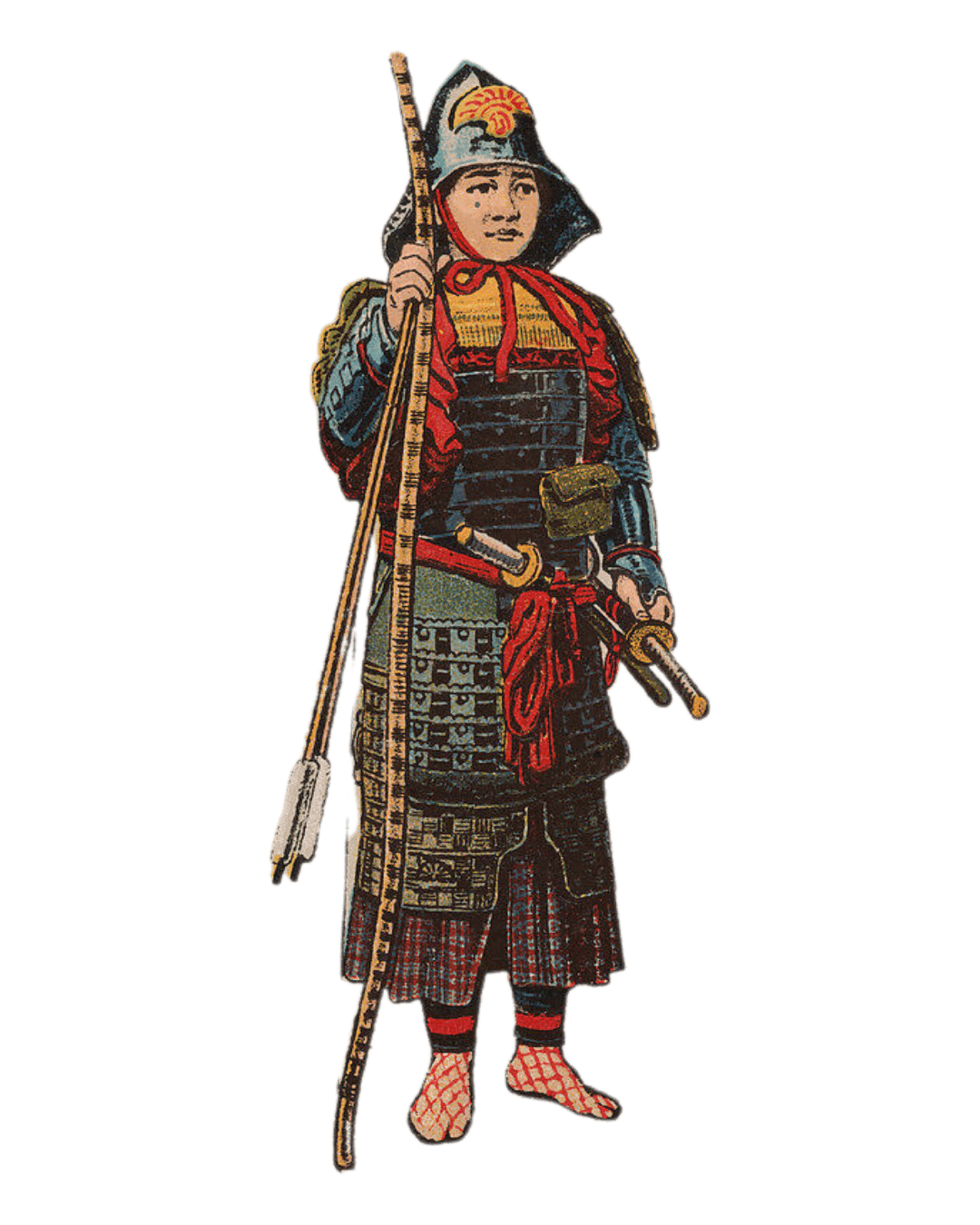
The Hero
The Hero archetype is about courage, achievement, and proving oneself through determined action. It represents the part of us that rises to a challenge, overcomes adversity, and strives to make the world better through strength, discipline, and hard work. Hero brands promise triumph over obstacles—whether internal or external—and often motivate their audience to strive for greatness. They communicate with boldness, clarity, and confidence, appealing to people who want to make a meaningful impact. Brands like Nike ("Just Do It") and FedEx (reliability through challenge) embody this archetype by reinforcing messages of performance, perseverance, and excellence.
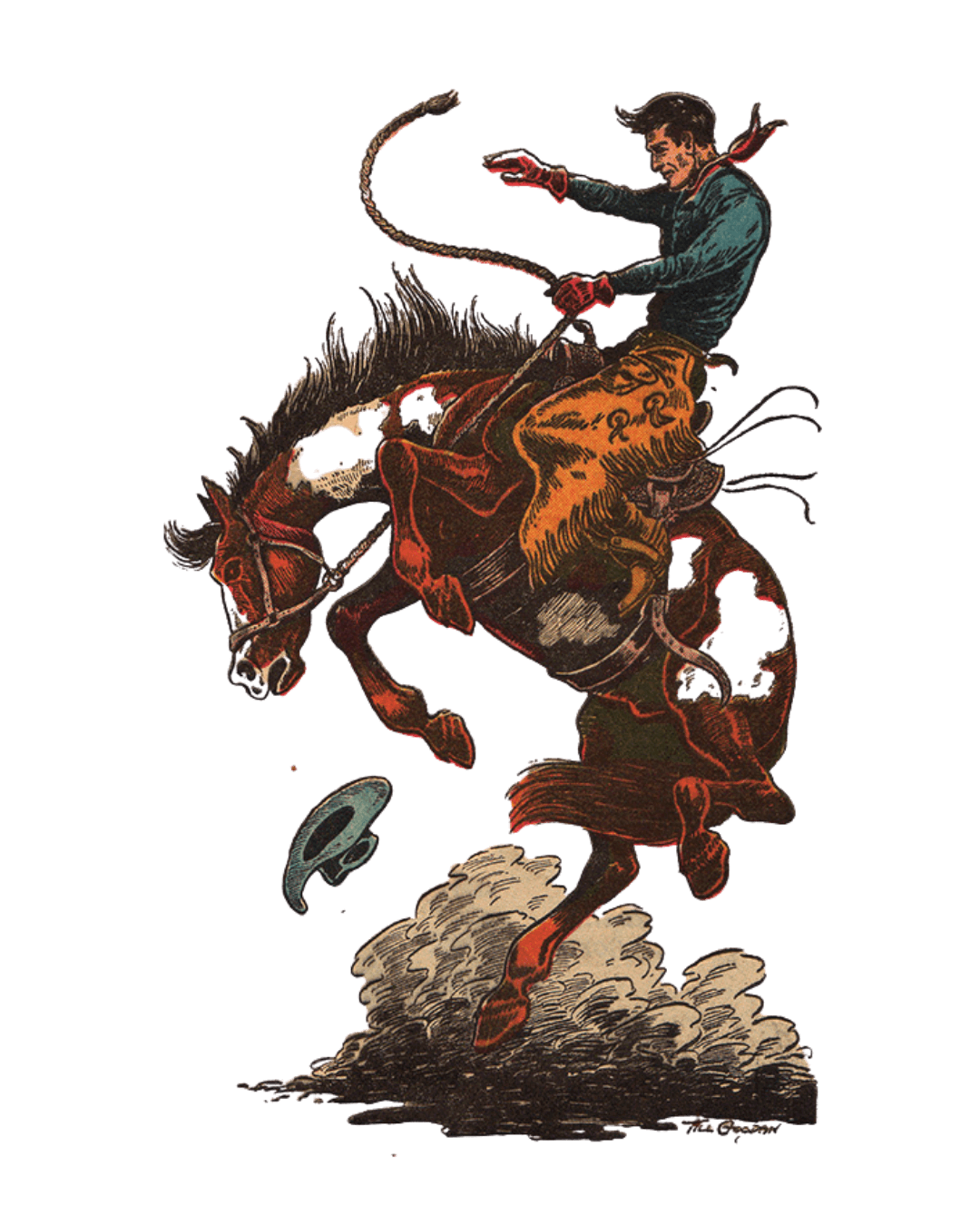
The outlaw
The Outlaw archetype seeks revolution, freedom, and radical change. It represents a desire to break rules, reject the status quo, and challenge norms in order to create something new or more just. This archetype is often associated with bold, edgy, or disruptive brands that position themselves as alternatives to the mainstream. The Outlaw stirs up emotion, provokes thought, and encourages rebellion against established systems. Think Harley-Davidson, Diesel, or early Apple ("Think Different")—brands that push boundaries and invite their audience to do the same.
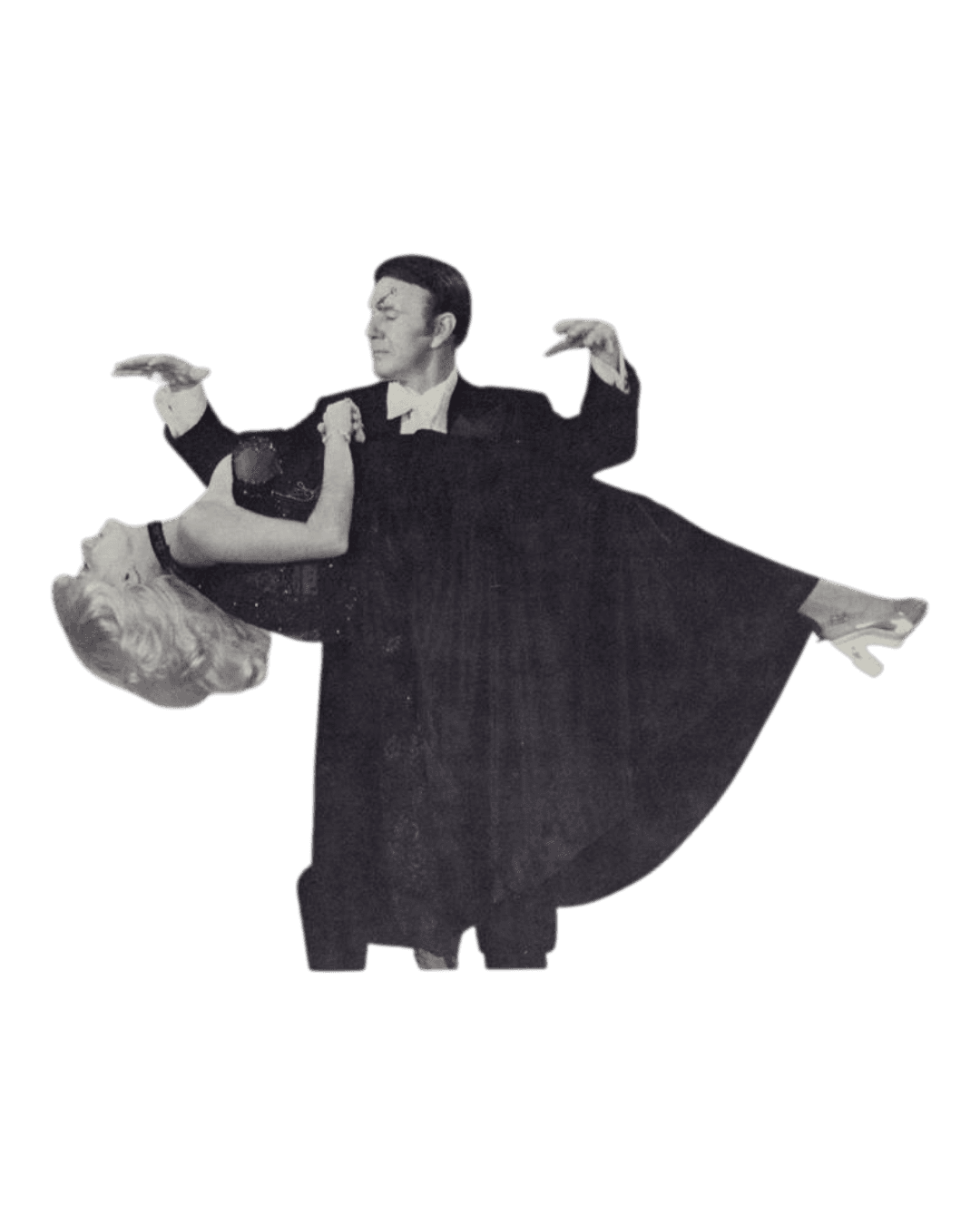
The magician
The Magician archetype is centered on transformation, vision, and the ability to make dreams real. It represents a deep understanding of how change works—whether internal or external—and seeks to harness unseen forces to produce extraordinary outcomes. Magician brands are visionary, charismatic, and often mysterious, positioning themselves as enablers of change or gateways to deeper potential. They blend science and spirit, technology and intuition. Brands like Disney ("Where dreams come true") and Apple (in its early, innovative days) are strong examples, offering users tools that feel magical in their impact.
Belonging & Enjoyment
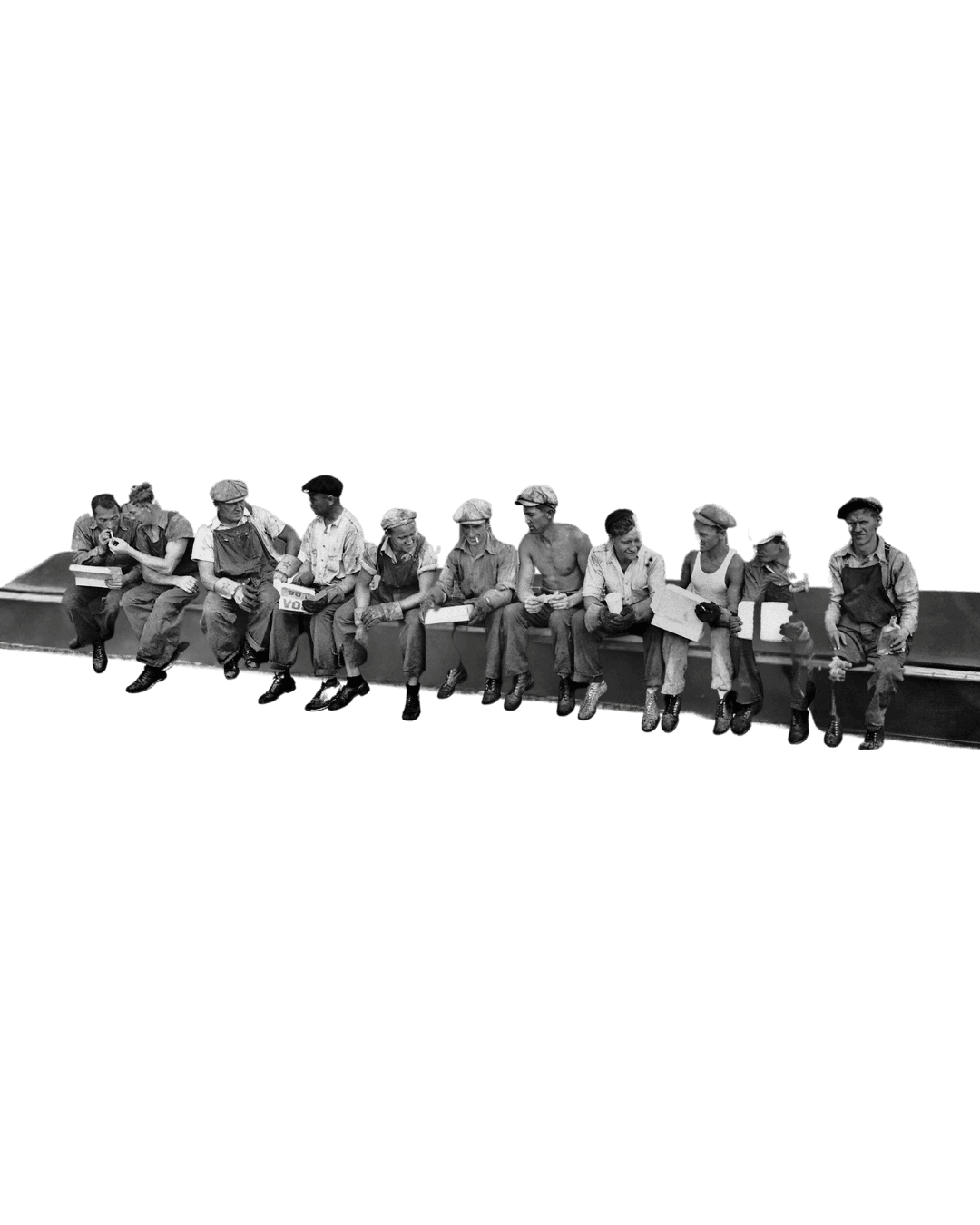
The every guy/gal
The Every Guy/Gal (also called the Everyman) archetype is grounded in belonging, humility, and the desire to connect with others as equals. This archetype values being relatable, down-to-earth, and approachable. It resists pretense or elitism and promotes the idea that everyone matters and deserves respect. Brands aligned with the Everyperson aim to foster trust and inclusivity by emphasizing familiarity, dependability, and honest value. Think of brands like IKEA or Levi's—accessible, unpretentious, and designed for real life. These brands often focus on comfort, practicality, and authenticity in tone and design.
The lover
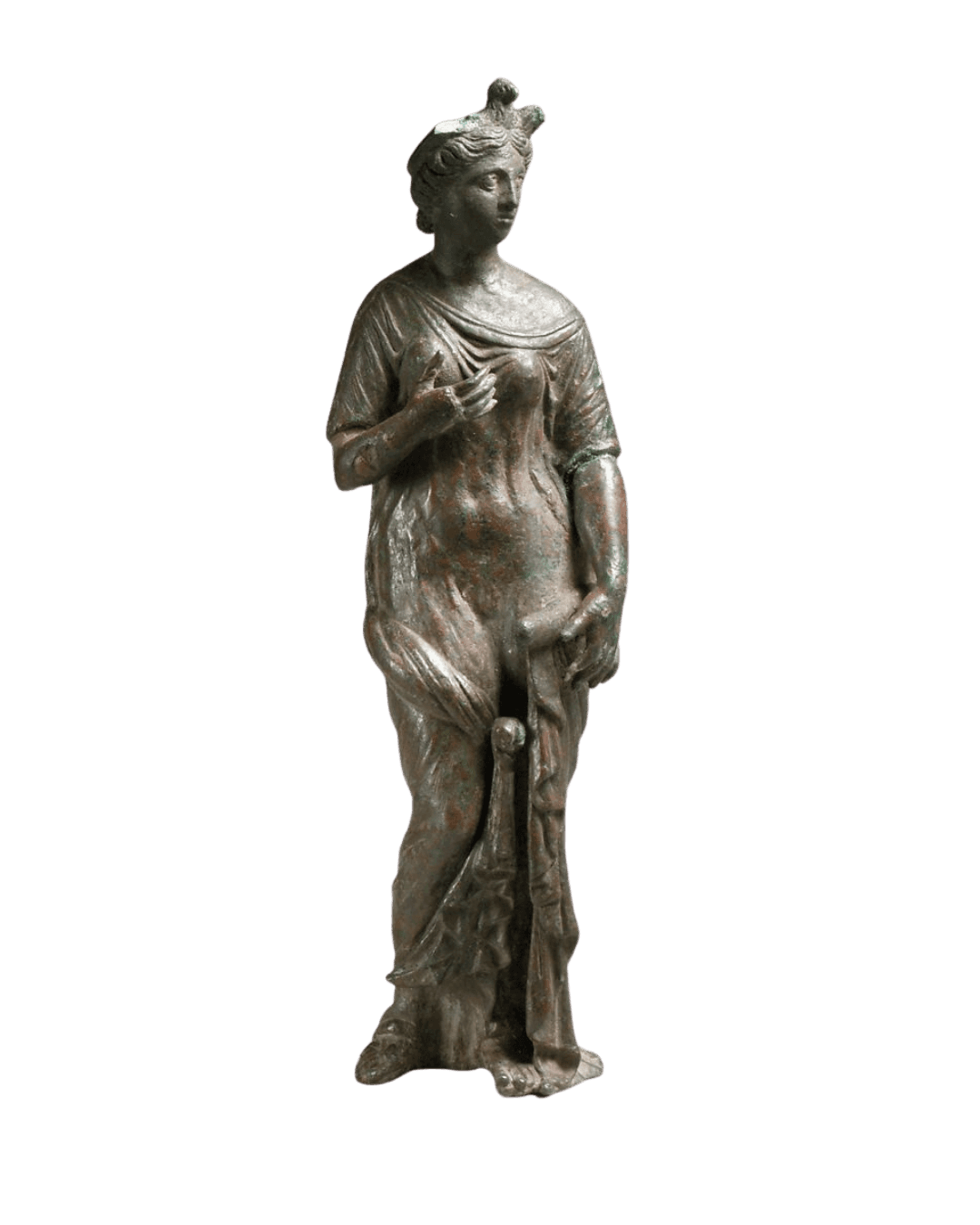
The Lover archetype is rooted in passion, beauty, and the desire for connection. It celebrates sensuality, intimacy, and the art of appreciating life through relationships, experiences, and aesthetics. Lover brands evoke emotion, desire, and the pleasures of the senses. Whether through romantic love, deep friendships, or a love of beauty, this archetype seeks to create meaningful bonds. Brands like Hallmark, Chanel, and Victoria's Secret all leverage the Lover's appeal to the heart and senses—focusing on feeling cherished, seen, and desirable.
The Jester
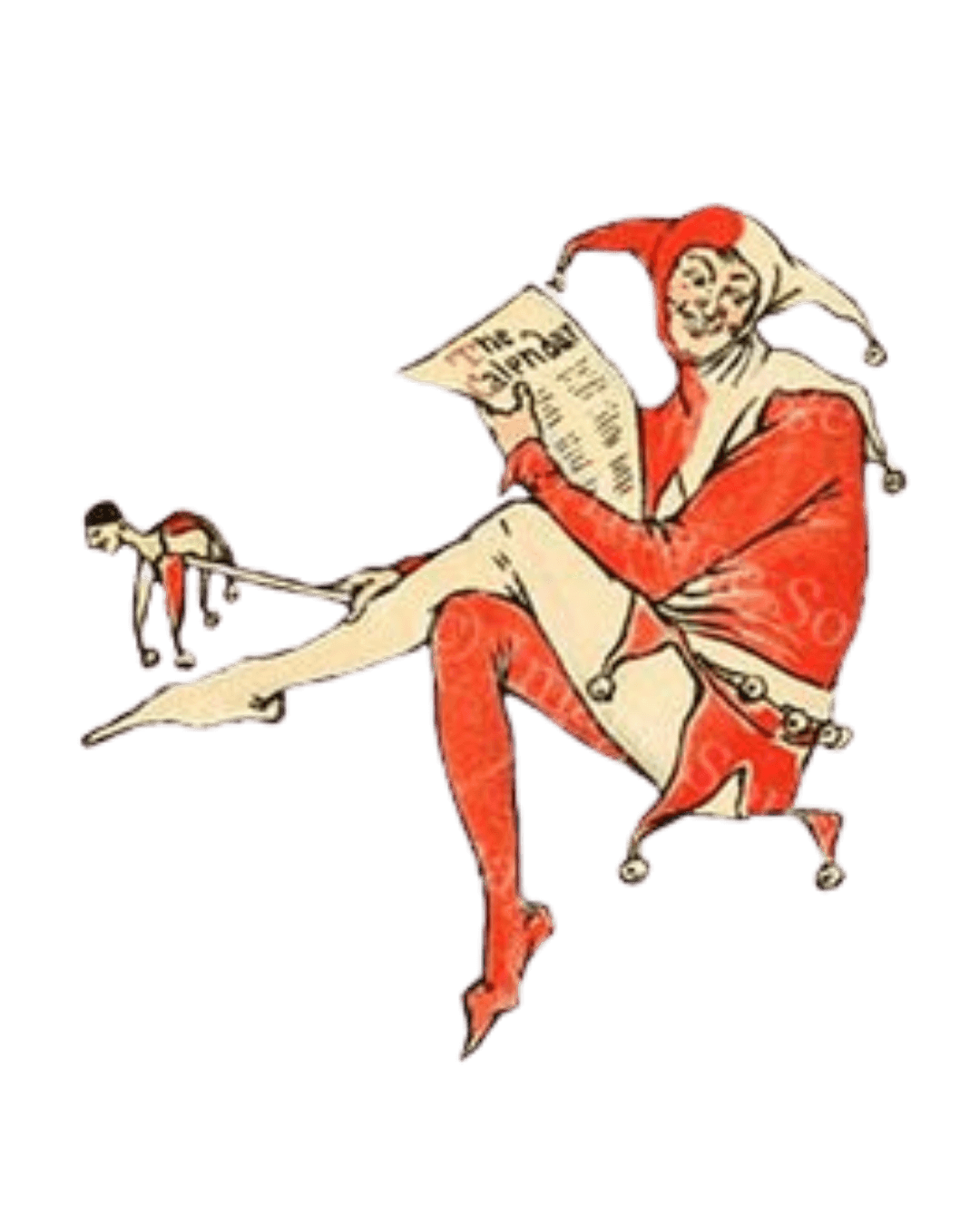
The Jester archetype is all about joy, playfulness, and living in the moment. It seeks to uplift, entertain, and break the tension of everyday life through humor, spontaneity, and irreverence. Jester brands remind people not to take life too seriously and often use wit or quirk to connect with their audience. Their tone is casual, cheeky, and unexpected. Think of brands like M&M's, Old Spice (in its humorous rebrand), or Ben & Jerry's—fun-loving, unexpected, and always a little subversive in their approach.
Stability & Control
The caregiver
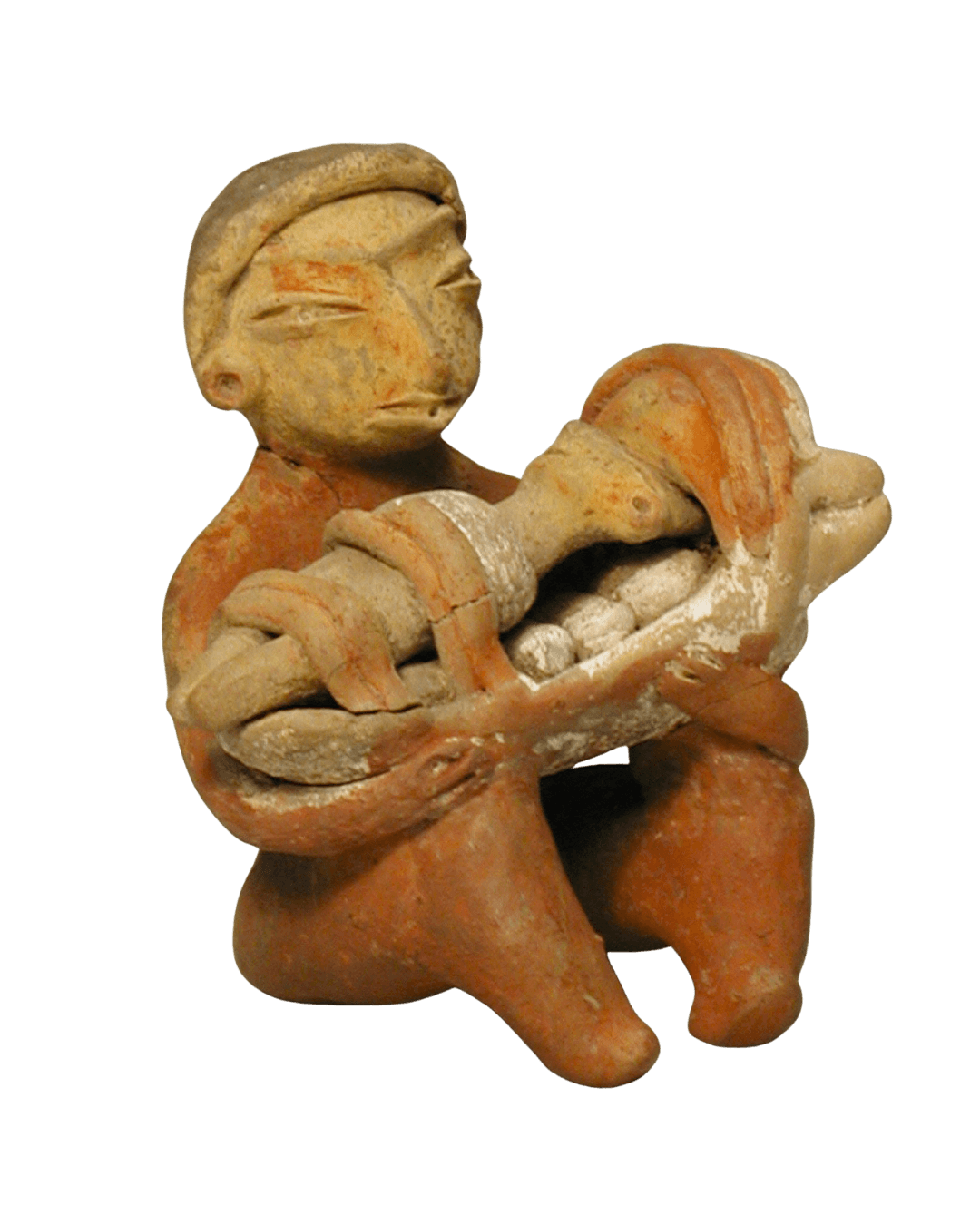
The Caregiver archetype is driven by compassion, service, and a deep desire to protect and nurture others. It represents the part of humanity that finds purpose in generosity, empathy, and selflessness. Caregiver brands are built around the promise of support, safety, and genuine care. They often serve roles related to health, parenting, education, or community service—any area where trust, reassurance, and reliability are vital. Brands like Johnson & Johnson or the Red Cross embody the Caregiver through messages of comfort, support, and devotion to others' well-being.

The creator
The Creator archetype is all about imagination, innovation, and the urge to bring something new into being. It's driven by the belief that true fulfillment comes from self-expression and original thinking. Creator brands position themselves as enablers of creativity, offering tools, inspiration, or experiences that help people express their individuality or build something of value. They often have a strong aesthetic, a visionary tone, and a reverence for artistry. Brands like Adobe, LEGO, or Crayola are quintessential Creators—helping their customers turn ideas into reality.
The ruler
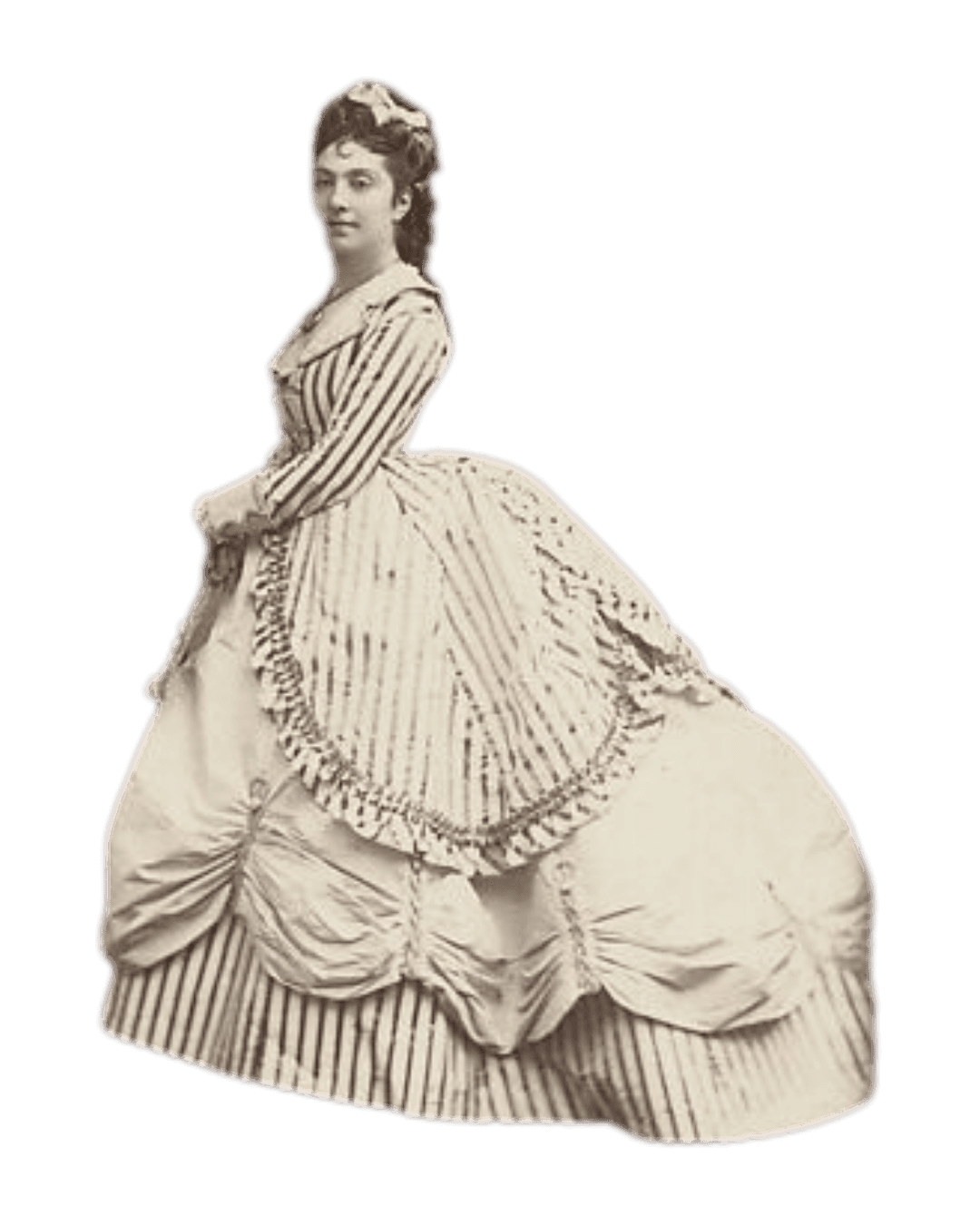
The Ruler archetype is centered on control, leadership, and creating order from chaos. It represents the impulse to build systems, take responsibility, and establish standards of excellence. Ruler brands are authoritative, polished, and structured—they project power and reliability. They often appeal to professionals, decision-makers, or institutions that value prestige and performance. Think of Mercedes-Benz, American Express, or Rolex—brands that emphasize mastery, hierarchy, and a sense of elevated status.